
Tags/Keywords
ashtanga yoga classes, ayurveda course Rishikesh, yoga
Rishikesh is a popular destination for yoga practitioners, wellness travelers, and people looking for a meaningful break from their regular routines. Located beside the Ganges and surrounded by the Himalayan landscape, the city offers opportunities to study yoga, practice meditation, explore traditional wellness, and experience nature.
For some visitors, a few daily yoga classes are enough. Others want to spend several weeks studying yoga through a teacher-training program. Retreats are another option for people who want to focus on practice, relaxation, and personal reflection without committing to a longer educational course.
Choosing the right experience depends on your goals, previous experience, available time, and preferred learning style. This guide begins with ashtanga yoga classes and then explores teacher training and retreat options in sequence.
Ashtanga Yoga Classes in Rishikesh
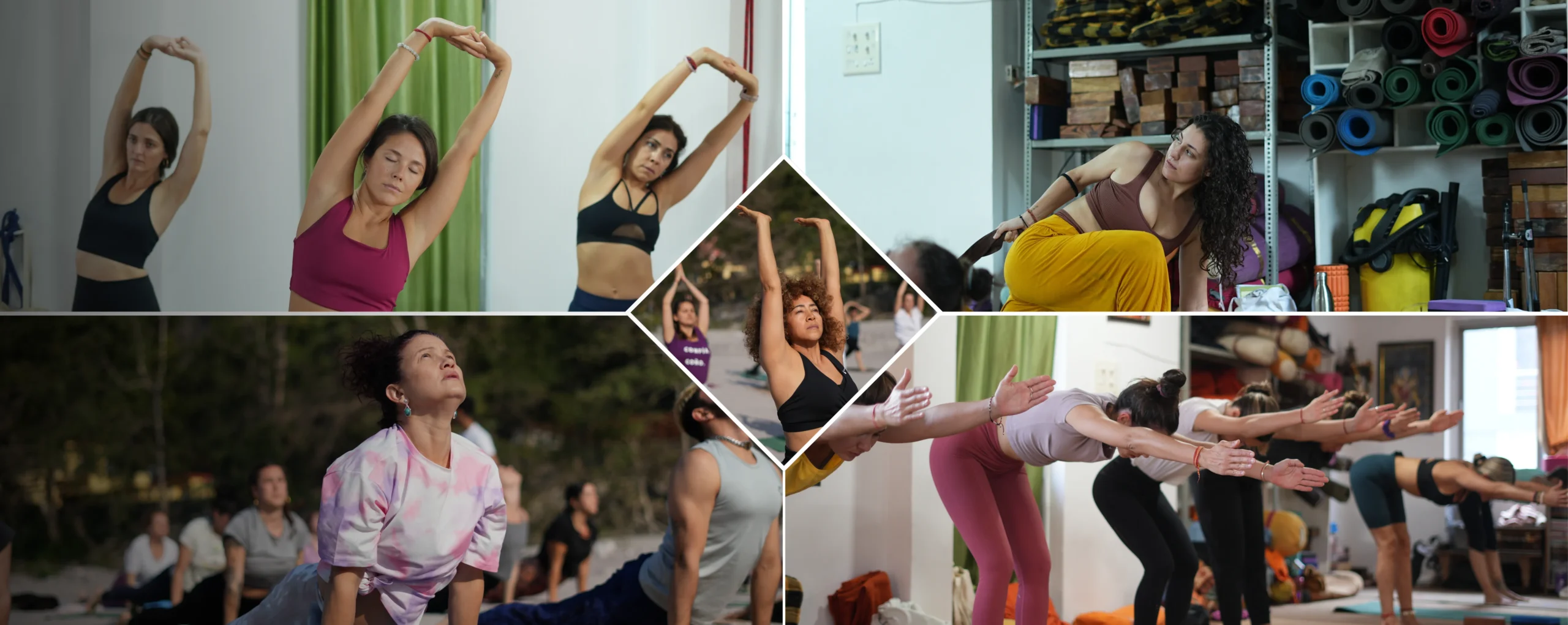
Ashtanga yoga classes can appeal to students who enjoy a structured and progressive approach to yoga. Traditional Ashtanga practice coordinates breath and movement through a series of postures performed in a particular sequence.
The practice can encourage greater awareness of movement, breathing, concentration, strength, flexibility, and coordination. However, students should progress according to their own abilities rather than attempting advanced movements too quickly.
A well-structured class may introduce:
Basic and traditional postures
Breath and movement coordination
Alignment principles
Sequencing
Transitions
Concentration
Modifications
Relaxation
Beginners can benefit from learning fundamental movements before attempting more challenging postures. A qualified instructor can help students understand modifications and develop their practice gradually.
When selecting an Ashtanga class, look at the instructor's background, teaching style, class level, schedule, location, and group size. A supportive learning environment is often more valuable than a class that simply focuses on physical intensity.
100 Hour Yoga Teacher Training Course in Rishikesh
A 100 hour yoga teacher training course in Rishikesh can be an accessible option for students who want structured education while having a shorter time commitment than an extensive teacher-training program.
The curriculum differs between schools, but it may introduce students to asana, pranayama, meditation, anatomy, yoga philosophy, alignment, sequencing, and basic teaching methodology.
For someone exploring yoga more seriously, a shorter course can provide an opportunity to understand different aspects of the tradition before deciding whether to pursue further training.
Who Can Consider a 100-Hour Course?
A program may be suitable for:
Beginners who want structured learning
Regular yoga practitioners
Wellness travelers
Students interested in yoga philosophy
People exploring teaching
Travelers with limited time
However, prospective students should carefully review the requirements and curriculum because the content and purpose of 100-hour programs can differ considerably.
What to Check Before Enrolling
Before booking, review:
Course syllabus
Teacher qualifications
Daily schedule
Practical training
Accommodation
Meals
Certification
Fees
Student reviews
The number of hours should not be the only factor in your decision. Teaching quality, curriculum, practical experience, and learning environment are equally important.
200 Hour Yoga Teacher Training in Rishikesh
A 200 hour yoga teacher training in rishikesh can provide a more comprehensive foundation for people who want to deepen their knowledge of yoga and develop teaching skills.
Depending on the institution, students may study asana, pranayama, meditation, anatomy, physiology, yoga philosophy, alignment, sequencing, and teaching methodology.
Learning to teach yoga involves much more than performing postures. A teacher must also learn how to communicate instructions, observe students, adapt practices, create appropriate sequences, and maintain a supportive classroom environment.
Common Areas of Study
A 200-hour curriculum may include:
Yoga asana
Pranayama
Meditation
Yoga philosophy
Anatomy and physiology
Alignment
Sequencing
Teaching methodology
Class planning
Practical teaching
Practical teaching sessions can be particularly useful because students can gradually develop communication and observation skills.
Choosing a 200-Hour Program
Before enrolling, compare multiple schools. Look at the curriculum, instructors, practical teaching opportunities, accommodation, daily schedule, student feedback, and total costs.
Avoid choosing a course solely because of promotional language. A transparent syllabus and experienced instructors provide a better basis for evaluating a serious educational program.
300 Hour Yoga Teacher Training in Rishikesh
A 300 hour yoga teacher training in Rishikesh is generally intended for practitioners who already have foundational yoga knowledge and want to explore advanced study.
Admission requirements vary. Some schools may require previous teacher-training experience, so it is important to confirm eligibility before applying.
Advanced training can explore areas such as advanced asana, pranayama, meditation, philosophy, anatomy, sequencing, observation, teaching methodology, and specialized yoga practices.
What Can Advanced Training Offer?
A thoughtfully designed program may help practitioners refine their existing skills and become more confident in teaching.
Students may explore:
Advanced sequencing
Teaching methodology
Student observation
Class adaptation
Communication
Advanced practices
Yoga philosophy
Personal practice
A good advanced program should build on previous learning rather than simply repeat introductory material.
Before enrolling, compare the syllabus with your existing education. This can help you determine whether the program offers meaningful progression.
Exploring Yoga Retreats in Rishikesh
Teacher training is not the only way to experience yoga in Rishikesh. Yoga retreats provide another option for visitors who want to temporarily step away from work, technology, and everyday responsibilities.
A retreat may combine yoga, meditation, pranayama, relaxation, mindful activities, workshops, and personal reflection.
The ideal retreat duration depends on your schedule and objectives. Some travelers only have a few days, while others want to spend one or two weeks developing a consistent routine.
3 Days Yoga Retreat in Rishikesh
A 3 days yoga retreat in Rishikesh can suit travelers who want a short wellness break.
A three-day program may include morning yoga, meditation, breathing practices, relaxation sessions, and selected workshops or activities.
It can provide a refreshing change of environment and introduce participants to a more mindful routine. However, a short retreat should not be viewed as a substitute for consistent long-term practice.
What May Be Included?
Depending on the provider, a short retreat may include:
Yoga sessions
Meditation
Pranayama
Relaxation
Wellness workshops
Accommodation
Meals
Mindfulness activities
Always review the exact inclusions before booking because different providers offer different packages.
5 Days Yoga Retreat in Rishikesh
A 5 days yoga retreat in Rishikesh gives participants more time to establish a structured routine than a very short visit.
It can be a useful option for people who want greater immersion but cannot dedicate an entire week or longer to a retreat.
A balanced five-day program may combine yoga, meditation, pranayama, relaxation, workshops, and personal time.
A Possible Daily Routine
A retreat might follow a structure such as:
Morning: Yoga and breathing practice
Midday: Breakfast, rest, or personal time
Afternoon: Workshop or wellness activity
Evening: Meditation or gentle yoga
The exact timetable varies between providers.
A quality retreat should leave enough time for meals, sleep, rest, and personal reflection rather than filling every hour with scheduled activities.
7 Days Yoga Retreat in Rishikesh
A 7 days yoga retreat in Rishikesh offers a full week to develop a more consistent wellness routine.
A week-long retreat can allow participants to explore yoga beyond physical postures. Depending on the program, students may learn more about pranayama, meditation, mindfulness, relaxation, and introductory yoga philosophy.
Potential Benefits of a Week-Long Retreat
Seven days can provide time to:
Establish regular practice
Develop body awareness
Explore meditation
Practice breathing techniques
Improve concentration
Reduce everyday distractions
Experience mindful routines
Some retreats may also include nature walks or cultural activities around Rishikesh.
The objective should not be to complete as many activities as possible. A balanced schedule with adequate rest can make the experience more comfortable and meaningful.
10 Days Yoga Retreat in Rishikesh
A 10 days yoga retreat in Rishikesh offers a deeper immersion while requiring less commitment than a long teacher-training program.
Ten days can provide participants with enough time to become comfortable with a structured daily routine and explore yoga, meditation, pranayama, relaxation, and mindful living in greater depth.
A retreat may include:
Daily yoga
Pranayama
Meditation
Yoga philosophy
Mindfulness
Relaxation
Wellness workshops
Personal practice
Some providers may also include nature walks or cultural experiences.
Before booking a ten-day program, review the itinerary carefully. A longer retreat should still provide adequate time for sleep, meals, recovery, and personal reflection.
14 Days Yoga Retreat in Rishikesh
A 14 days yoga retreat in Rishikesh provides a two-week opportunity to develop a deeper yoga and wellness routine.
The extended duration can allow participants to explore different aspects of yoga while becoming more comfortable with a consistent daily schedule.
A two-week program may include:
Asana
Pranayama
Meditation
Mindfulness
Yoga philosophy
Relaxation
Lifestyle practices
Personal yoga practice
Who Might Choose a 14-Day Retreat?
A two-week retreat may suit people who have enough time and want greater immersion in yoga and mindful living.
However, a longer program is not automatically better. Consider teaching quality, curriculum, accommodation, facilities, group size, schedule, and overall environment before making a decision.
The ideal retreat balances structured learning with sufficient rest and personal time.
How to Select the Right Yoga Program
The variety of programs in Rishikesh can make choosing one challenging. The simplest approach is to begin with your main goal.
If you primarily want regular practice, choose classes suitable for your current level.
If you want an introduction to structured yoga education, a 100-hour course may be worth considering.
If you want a broader teacher-training foundation, compare 200-hour programs carefully.
If you already have substantial yoga education and want advanced study, explore suitable 300-hour programs.
For relaxation and personal practice, select a retreat based on the amount of time you can comfortably dedicate.
Compare Before You Book
Look at:
Course curriculum
Instructor background
Daily schedule
Practical learning
Accommodation
Meals
Group size
Student feedback
Certification
Total cost
Taking time to compare programs can help you avoid choosing a course based only on advertising.
Rishikesh offers many ways to explore yoga, from regular ashtanga yoga classes to structured teacher training and retreats lasting from three days to two weeks.
A 100 hour yoga teacher training course in Rishikesh can provide a shorter introduction to structured yoga education, while a 200 hour yoga teacher training in rishikesh may offer a broader foundation for students who want deeper study and teaching skills.
Practitioners with previous experience may consider a 300 hour yoga teacher training in Rishikesh for advanced education.
For travelers seeking a wellness-focused experience, options range from a 3 days yoga retreat in Rishikesh and 5 days yoga retreat in Rishikesh to a 7 days yoga retreat in Rishikesh, 10 days yoga retreat in Rishikesh, and 14 days yoga retreat in Rishikesh.
The best program is not necessarily the longest or most expensive. Choose according to your experience, goals, schedule, budget, and expectations.
Most importantly, look beyond the keyword or course title. Evaluate the teachers, curriculum, learning environment, facilities, and overall value. A thoughtfully selected yoga experience can provide knowledge and practices that continue to be useful long after your time in Rishikesh ends.
Ayurveda, Adventure and Online Yoga: More Ways to Experience Rishikesh
Rishikesh is more than a destination for yoga teacher training and retreats. Its combination of traditional wellness practices, the Ganges, Himalayan surroundings, and modern learning options allows visitors to create a diverse experience.
After exploring yoga and meditation, travelers can discover Ayurveda, outdoor adventure, sound-based relaxation, and online yoga practices that can continue even after returning home.
Ayurveda Course Rishikesh
An ayurveda course Rishikesh program can provide an introduction to traditional Indian approaches to wellness and lifestyle. Ayurveda has a long history in India and focuses on concepts related to balance, daily routines, nutrition, and holistic living.
The exact content of an Ayurveda course depends on the institution. Some programs are short introductory courses, while others provide more detailed theoretical and practical education.
For yoga practitioners, learning about Ayurveda can complement their understanding of traditional Indian wellness philosophies.
What Can You Learn?
Depending on the course, students may explore:
Basic Ayurvedic principles
Traditional wellness philosophy
Lifestyle concepts
Nutrition
Daily routines
Traditional herbs
Self-care practices
Basic constitution concepts
Holistic wellness
Some programs may also include demonstrations and workshops.
Choosing an Ayurveda Course
Before enrolling, carefully review the course information. Look at the syllabus, duration, instructor background, practical sessions, fees, accommodation, and certification details.
It is also important to understand the purpose of the qualification. A short wellness course should not be confused with professional medical training.
Choose a provider that clearly explains the educational content and what students can expect from the program.
River Rafting In Rishikesh
Rishikesh offers an interesting combination of peaceful yoga experiences and outdoor adventure. River Rafting In Rishikesh is a popular activity for visitors who want to experience the Ganges in an active and exciting way.
Rafting conditions can change according to the season, weather, river levels, and local regulations. For this reason, travelers should select responsible operators and follow the instructions of trained guides.
What Should You Check Before Rafting?
Before making a booking, consider:
Rafting route
Distance
Duration
River conditions
Weather conditions
Safety equipment
Guide experience
Transportation
Participant requirements
Listen carefully to the safety briefing and use the equipment provided by the rafting operator.
Combining Yoga With River Adventure
Yoga and adventure can be combined as part of a balanced Rishikesh itinerary.
For example, you could practice yoga in the morning and leave the afternoon for rafting or sightseeing. Alternatively, schedule rafting on a day when you do not have an intensive yoga session.
If you are participating in teacher training, remember that rafting can be physically demanding. Avoid scheduling several strenuous activities without adequate recovery time.
The goal is to enjoy the adventure while respecting your body's need for rest.
Sound Healing Rishikesh
For travelers interested in relaxation, meditation, and mindful experiences, sound healing Rishikesh sessions can provide another activity to explore.
These sessions may involve singing bowls, gongs, bells, drums, and other instruments. Depending on the facilitator, sound sessions can be combined with meditation, breathing exercises, mindful listening, and relaxation.
Every session can be different, so understanding the format beforehand is useful.
What Happens During a Sound Session?
A session may include:
Singing bowls
Gongs
Guided meditation
Breathing exercises
Mindful listening
Relaxation
Quiet reflection
Participants usually sit or lie comfortably while the facilitator creates different sounds and rhythms.
Selecting a Sound Session
Before booking, research the facilitator and understand the session structure.
Consider:
Session length
Instruments used
Facilitator's experience
Group size
Location
Environment
Reviews
Sound-based practices can be viewed as complementary relaxation experiences. Be cautious of claims that sound sessions can diagnose, prevent, or cure medical conditions.
For many participants, the appeal is simply having dedicated time to relax, listen, breathe, and become more present.
Online Yoga Classes
Traveling to Rishikesh may inspire your online yoga classes journey, but visiting the city regularly is not practical for everyone. Work, education, family commitments, distance, and travel costs can make in-person practice difficult.
This is where online yoga classes can help.
Online programs may be live, recorded, or a combination of both. Students can choose classes according to their experience level, preferred style, goals, and available time.
Types of Online Yoga
Depending on the teacher or platform, online programs may offer:
Hatha Yoga
Ashtanga Yoga
Vinyasa Yoga
Pranayama
Meditation
Mobility
Flexibility
Relaxation
Beginners should choose classes that match their current level rather than starting with advanced practices.
Advantages of Online Yoga
Convenience is one of the biggest benefits.
Students can practice from home without commuting to a studio. Recorded classes can also be useful for people whose work or study schedules change regularly.
Online yoga can be particularly helpful after completing a retreat or teacher-training program in Rishikesh. Instead of stopping your practice after returning home, you can continue with scheduled online sessions.
Live classes may provide opportunities to interact with an instructor, while recorded sessions offer greater flexibility.
Yoga Class Online
A Yoga Class Online can make yoga accessible to people who cannot regularly attend a physical studio.
However, online programs differ in teaching quality, structure, experience level, and instructional approach. Taking time to research the program before joining can help you find a better match.
Identify Your Purpose
Before choosing a class, decide what you want to achieve.
Your goal may be:
Improving flexibility
Developing strength
Increasing mobility
Learning meditation
Practicing Ashtanga
Learning pranayama
Building a consistent routine
Relaxing after work
Developing greater body awareness
Once you identify your goal, you can compare classes more effectively.
Yoga Class Online for Beginners
Beginners should choose classes that introduce postures gradually and explain techniques clearly.
A beginner-friendly program may cover:
Basic postures
Alignment
Breathing awareness
Simple transitions
Modifications
Relaxation
There is no need to rush into difficult postures. Learning the foundations first can help create a more sustainable practice.
A good instructor should explain movements clearly and provide alternatives when a particular movement is unsuitable.
Yoga Class Online for Intermediate Students
Intermediate practitioners may prefer longer sequences and more detailed instruction.
Classes can explore posture variations, alignment, sequencing, mobility, pranayama, meditation, and other aspects of yoga.
Progress should remain gradual. Every practitioner has different physical abilities and experience, so comparing your practice with other students is unnecessary.
Select classes that offer an appropriate level of challenge while maintaining an emphasis on awareness and technique.
Yoga Class Online for Experienced Practitioners
Experienced students may prefer specialized online programs focusing on advanced asana, sequencing, pranayama, meditation, philosophy, or specific yoga traditions.
Before joining an advanced class, research the teacher's background and confirm that the program is appropriate for your existing level.
Advanced practice should emphasize understanding, control, technique, and awareness rather than simply performing difficult postures.
Creating a Balanced Rishikesh Experience
A wellness trip does not need to be packed with activities from morning to night.
One of the advantages of Rishikesh is the ability to combine yoga with Ayurveda, meditation, nature, adventure, sound sessions, sightseeing, and personal time.
A balanced day might include:
Morning: Yoga and pranayama
Midday: Breakfast and rest
Afternoon: Wellness activity or sightseeing
Evening: Meditation, gentle yoga, or relaxation
On another day, you could dedicate more time to outdoor activities and keep the evening free for recovery.
Leaving space in your itinerary can make the experience more enjoyable.
Rest and Recovery During Your Trip
A wellness journey should not become physically exhausting.
Make adequate time for:
Quality sleep
Hydration
Nutritious food
Rest
Recovery
Personal practice
Quiet time
Reflection
Recovery is particularly important for people participating in intensive teacher-training programs.
If you combine demanding yoga sessions with adventure activities, allow sufficient time between activities and adjust your schedule when necessary.
Listening to your body can help you maintain a healthier balance throughout your stay.
How to Choose the Right Provider
Whether you are booking an Ayurveda course, rafting experience, sound session, or online yoga program, research the provider carefully.
Read the Full Details
Do not rely only on promotional descriptions. Review:
Course curriculum
Activity itinerary
Daily schedule
Inclusions
Exclusions
Fees
Additional costs
Certification
Check Instructor or Guide Experience
For yoga and wellness programs, investigate the teacher's education and experience.
For rafting, look into the operator's safety procedures, equipment, routes, and guide experience.
Read Recent Reviews
Reviews can provide insight into:
Teaching quality
Organization
Communication
Facilities
Accommodation
Safety
Overall experience
Look for consistent feedback across several reviews rather than relying on a single comment.
Ask Before You Pay
If any important detail is unclear, contact the provider before making payment.
Useful questions include:
What is included?
What is the daily schedule?
Is accommodation included?
Are meals included?
Is certification provided?
Are there experience requirements?
Are additional charges applicable?
What is the cancellation policy?
Clear information before booking can prevent unnecessary misunderstandings.
Continue Your Yoga Practice After Rishikesh
Your yoga journey does not need to end after leaving Rishikesh.
Rather than attempting to reproduce an intensive retreat schedule at home, create a routine that fits your everyday life.
A simple practice might include:
A few minutes of mindful breathing.
A suitable yoga sequence.
Pranayama when appropriate.
Short meditation.
Final relaxation.
Online classes can provide additional structure and guidance when you need it.
Consistency is generally easier to maintain than occasional long sessions followed by extended breaks.
Frequently Asked Questions
What is an Ayurveda course Rishikesh program?
It depends on the provider. Courses may introduce traditional Ayurvedic ideas related to lifestyle, nutrition, herbs, daily routines, philosophy, and wellness.
Is River Rafting In Rishikesh safe for beginners?
Suitability depends on the route, river conditions, weather, operator requirements, and individual circumstances. Beginners should follow qualified guides and use the appropriate safety equipment.
What can I expect from sound healing Rishikesh sessions?
Sessions may include singing bowls, gongs, meditation, breathing exercises, mindful listening, and relaxation. The exact format varies by facilitator.
Are online yoga classes suitable for beginners?
Yes. Beginners should select programs designed for their level and instructors who provide clear instructions and appropriate modifications.
How can I choose the right Yoga Class Online?
Consider your goals, experience, preferred style, instructor background, schedule, duration, teaching format, and student feedback.
Conclusion
Rishikesh provides a diverse environment for yoga, wellness, adventure, and personal development.
An ayurveda course Rishikesh program can introduce visitors to traditional Indian wellness concepts, while River Rafting In Rishikesh offers an opportunity to experience the natural side of the destination.
For those interested in relaxation and mindful experiences, sound healing Rishikesh sessions can provide dedicated time for quiet listening and reflection.
After returning home, online yoga classes can help maintain continuity, while a suitable Yoga Class Online can make regular practice more convenient.
The best wellness experience is not necessarily the longest or most expensive. Instead, select programs based on your goals, experience, schedule, budget, and comfort level.
Research providers carefully, understand what is included, and maintain realistic expectations.
Whether your Rishikesh journey includes yoga classes, teacher training, retreats, Ayurveda, rafting, sound sessions, or online practice, the most valuable outcome is the development of sustainable habits.
The courses and activities may eventually end, but the awareness, discipline, knowledge, and practices you develop can continue to support your everyday life long after you leave Rishikesh.
Monday
Open 24h
Tuesday
N/A
Wednesday
N/A
Thursday
N/A
Friday
N/A
Saturday
N/A
Sunday
N/A
August 25, 2026 10:17 pm local time


Add a review