
Product Description
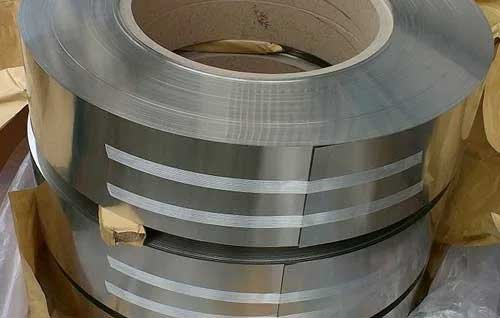
Nickel-chromium superalloys are a major part of the materials used for very hot and very heavy work in the areas of airplanes, electricity production, and chemicals in the world. The strip of Inconel X750 Strip is one of the materials that is mostly ordered for work even when the material may have to be exposed to temperature as high as 700 degrees Centigrade. Fabricated in thickness variations from 0.1 to 5 mm, it meets the requirements specified in ASTM B637 and looks to the precipitation hardening route via aluminum and titanium for further mechanical stability.
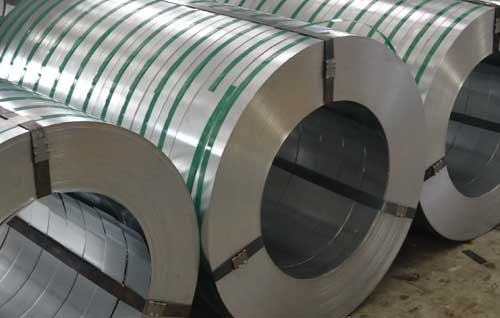
Looking at the procurement preferences of Riyadh, Dammam, and Al Khobar one can see a steady requirement for slit strips with highly restrictive dimension tolerances and grain structures under control. Annealing at bright and cold rolling are among the surface finishing methods that could be selected based on the forming and spring cutting uses. Suppliers and genuine buyers may find it convenient on platforms like pipingmaterial.sa to connect to each other and this leads to both sides having access to certified materials with EN 10204 3.1 and third party inspection documentation support. Yield strength more than 550 MPa and resistance to relaxation due to cyclic loading turns out to be a part of the mechanical properties that are checked the most during supplier qualification.
On the other hand, the method of selecting alloys in most cases involves precipitation hardened versions with increased niobium which is the way the strength, weldability, and the other properties of Inconel 718 Strip can be superior to a point of having tensile strength of more than 1200 MPa. It is a production standard under ASTM B670 or AMS 5596, and aside from turbine parts, it is also used for fasteners and pressure systems. The sourcing in Jeddah industrial areas includes getting material in a coil form, specifying the type of heat treatment, and strictly following the standards of the project, as such the material should be able to meet the temperature and corrosion conditions in the operating environment.

Add a review